Interesting Facts About Perth Australia That Surprise First-Time Visitors
Perth is a city that often defies expectations. At first glance, it may seem distant and quiet compared to Australia’s eastern capitals. However, a closer look reveals a place shaped by contrasts—geographic isolation paired with global connectivity, natural landscapes alongside urban growth, and deep history coexisting with modern development.
What makes Perth particularly surprising is how these elements come together in everyday life. Visitors encounter a city that feels relaxed yet expansive, simple yet layered with stories. From its climate and wildlife to its cultural landmarks, Perth offers experiences that don’t always align with what people expect from a major city.
Perth Is One of the World's Most Isolated Cities
Perth’s location on Australia’s western coast makes it one of the most geographically isolated major cities in the world. The distance to other large Australian cities is significant, with thousands of kilometers separating it from places like Adelaide and Sydney. This physical separation has played a major role in shaping the city’s development and identity.
Rather than limiting growth, isolation has encouraged self-reliance and a strong sense of local culture. Perth has developed its own creative industries, lifestyle patterns, and economic systems that operate independently from the eastern states. This independence is reflected in everything from its arts scene to its business environment.
At the same time, Perth remains globally connected. International flights, trade networks, and digital communication link the city to Asia and beyond. This combination of remoteness and connectivity creates a unique balance, where Perth feels both distant and integrated within global systems.
Kings Park in Perth Is Bigger Than Central Park
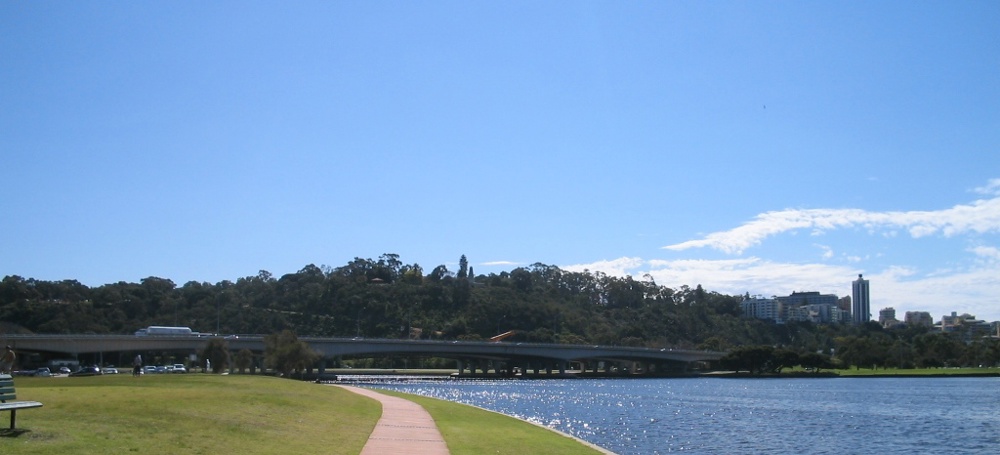
Sitting at 400.6 hectares, Kings Park dwarfs New York's iconic Central Park, which spans just 341 hectares. That's a park size difference of nearly 60 hectares, making Perth's beloved green space one of the world's largest inner-city parks.
What makes it even more impressive is that it's not just open land. Kings Park houses the Western Australian Botanic Garden, showcasing over 3,000 unique native flora species. You'll also find war memorials, the DNA Tower offering panoramic city views, tree-lined avenues honoring fallen servicemen, and the Rio Tinto Naturescape play area.
Best of all, entry and parking are completely free, and the park stays open 24 hours. Overlooking the Perth CBD and Swan River, it's a must-visit destination attracting millions of visitors annually. The park was designated for public use in 1872, making it the first park in Australia to receive that status.
Quokkas Live on an Island Just Off Perth's Coast
Just off Perth’s coast lies Rottnest Island, home to one of Australia’s most recognizable animals—the quokka. Known for their distinctive facial expressions, quokkas have gained global attention, particularly through social media, where images of them are widely shared.
Rottnest Island provides a rare opportunity to observe these animals in their natural habitat. With a population of around 10,000 quokkas, the island offers consistent encounters, making it a popular destination for visitors. Strict conservation rules ensure that the animals remain protected despite their popularity.
Beyond the quokkas, the island itself is notable for its natural beauty. Beaches, cycling paths, and historical sites make it more than just a wildlife destination. The combination of accessibility and uniqueness makes Rottnest Island one of Perth’s most distinctive attractions.
Perth Gets More Sunshine Than Any Other Australian Capital
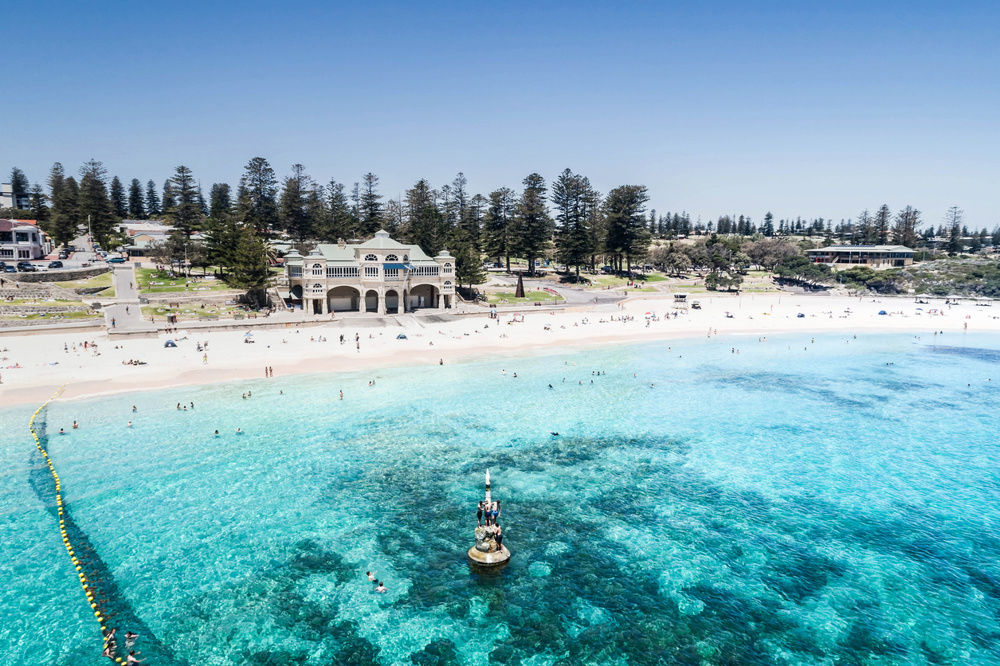
When it comes to sunshine, Perth consistently outshines every other Australian capital, recording around 3,225 hours of sun annually. That's roughly 9 hours of sunshine daily, leaving Sydney's 2,628 hours and Melbourne's 2,373 hours far behind.
Even Darwin, which many assume leads Australia in sunshine, falls short at 3,103 hours. Perth's sunny lifestyle stems from its coastal position and low inland moisture, which reduces cloud cover markedly throughout the year. Summer months see sunshine covering 82–87% of daylight hours, while even winter maintains a respectable 59–64% coverage. June, the least sunny month, still delivers 59% sunshine.
This consistent brightness strengthens Perth's tourism appeal, giving you warm, clear days across nearly every season you visit. December stands out as the sunniest single month, with sunshine reaching 11.5 hours daily and covering 81% of available daylight hours.
Step deeper into the world of Perth with more fascinating facts and trivia.
Perth Was So Bright That Astronauts Could See It From Space
Few cities have left an impression visible from orbit, but Perth earned that distinction twice. In 1962, the entire city switched on its lights so John Glenn could spot Perth during America's first orbital mission. He did. Then in 1998, Perth repeated the Perth illumination for Glenn's return to space aboard STS-95, 36 years later.
Despite heavy cloud cover, a clear patch revealed the glowing city below. Glenn confirmed the astronaut sightings, noting Perth appeared even larger than he remembered. Fellow crew member Steve Lindsey also witnessed the lights from orbit. This spirit of human connection through technology echoes the vision of pioneers like Douglas Engelbart, who believed computers should serve as communication tools for collaboration rather than isolated machines.
Much like Tesla engineers who used over-the-air software updates to improve vehicle performance without requiring physical hardware changes, Perth demonstrated that meaningful progress often comes from revisiting and refining an original achievement. You won't find many cities that coordinated a tribute across four decades just to welcome one astronaut twice, but that's exactly the kind of gesture Perth delivered.
Perth's Bell Tower Holds Medieval Bells From London
Perth’s Bell Tower houses a set of historic bells originally from London’s St Martin-in-the-Fields church. These bells date back several centuries and have been part of significant historical events in England before being relocated to Western Australia.
Their presence in Perth represents a connection between two distant parts of the world. The relocation of the bells during Australia’s bicentenary created a symbolic link between British history and modern Australian identity.
Today, the Bell Tower stands as both a landmark and a cultural artifact. Visitors can see and hear the bells while also learning about their history, making it a unique blend of heritage and contemporary design.
Perth Mints More Self-Made Millionaires Per Capita Than Any City on Earth
While Perth's Bell Tower preserves centuries of inherited wealth in the form of ancient bronze bells, the city's more striking story lies in the wealth its residents are actively creating. Mining wealth drives Perth's extraordinary per capita millionaire concentration — the highest on Earth. Salary disparity between Perth and other cities explains much of this:
- Skilled trades earn triple what equivalent Melbourne roles pay
- Perth recorded 28% millionaire growth over the past decade, reaching 33,600 HNWIs
- Exclusive suburbs like Dalkeith and Cottesloe feature median house prices around $3.38 million
You'll notice luxury retailers like Chanel and Louis Vuitton have planted roots here specifically to serve this concentrated wealthy demographic. Perth doesn't inherit its wealth — it builds it underground. Those seeking to experience the city's scale and prosperity from above can book a helicopter ride over Fremantle and the Swan River, offering sweeping 360-degree views of the region's sprawling affluence.
Perth’s Beaches Rival the World’s Best
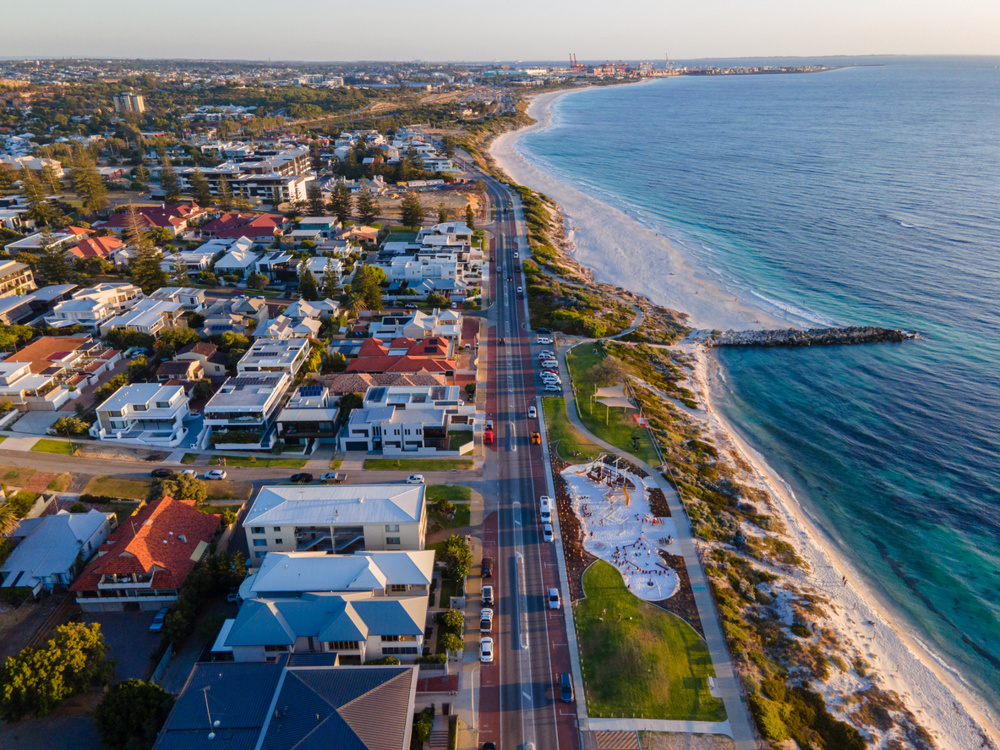
Perth’s coastline stretches along the Indian Ocean, offering a series of beaches that are often compared to some of the best in the world. What makes them particularly surprising is not only their quality, but their proximity to the city center. Within minutes of leaving the CBD, visitors can find themselves on wide stretches of sand with uninterrupted ocean views, something that is far less common in many other major cities.
Beaches such as Cottesloe, Scarborough, and City Beach each offer distinct experiences while maintaining consistently high standards. Clear water, soft sand, and reliable surf conditions make them suitable for swimming, surfing, and everyday recreation. Facilities, cafes, and walking paths are integrated into these areas, allowing them to function as both natural spaces and social hubs throughout the day.
What truly sets Perth apart is the role these beaches play in daily life. They are not reserved for holidays or occasional visits, but are used regularly by locals for exercise, relaxation, and social gatherings. This continuous use reinforces a lifestyle that is closely tied to the outdoors, making the coastline an essential part of Perth’s identity rather than a separate attraction.
Perth’s Time Zone Creates Unique Global Connections
Perth operates in the Australian Western Standard Time zone, which places it closer in alignment with major cities across Asia than with Australia’s eastern states. This positioning creates a distinct rhythm for the city, where business hours, communication patterns, and daily routines often differ from those in Sydney or Melbourne. For visitors, this difference can be subtle, but it reflects a broader geographical and cultural orientation.
This alignment offers practical advantages for international connections. Perth is well-positioned to engage with markets in countries such as Singapore, Indonesia, and China, making it an important gateway between Australia and Asia. Trade, travel, and communication flows benefit from overlapping time zones, allowing for more immediate interaction and coordination compared to cities further east.
Beyond business, the time zone also influences how Perth relates to the wider world. It reinforces the city’s dual identity—part of Australia, yet oriented toward a different regional network. This distinction shapes how Perth operates globally, contributing to a sense of independence while maintaining strong international connections.
Conclusion
Perth is a city defined by contrasts that often surprise first-time visitors. Its isolation coexists with global connectivity, its natural landscapes blend with urban development, and its history intersects with modern life in unexpected ways.
These characteristics are not always immediately visible, but they become clear through the details—whether it’s a park larger than Central Park, an island full of quokkas, or a city once lit up for astronauts in space. Each fact reveals a different aspect of what makes Perth distinct.
Ultimately, what makes Perth memorable is not just any single feature, but the combination of them. It is a city that continues to challenge expectations, offering experiences that feel both familiar and entirely unique.