Best Time of Year to Visit Perth Australia for Weather, Events, and Lifestyle
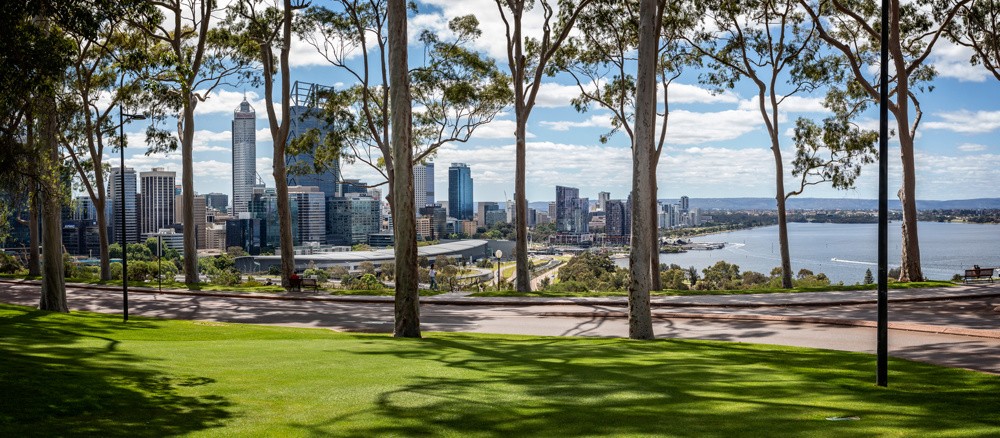
Perth offers one of the most consistent and enjoyable climates in Australia. However, the “best” time to visit depends less on a single month and more on what kind of experience you’re looking for. With a Mediterranean climate—hot, dry summers and mild, wetter winters—the city provides distinct seasonal advantages that appeal to different travel styles.
Every season in Perth offers something unique. From vibrant festivals to quiet, budget-friendly winters, timing your visit can shape your entire experience. Understanding how weather, events, and lifestyle shift throughout the year is key to choosing the right moment for your trip.
The Best Month to Visit Perth for Weather
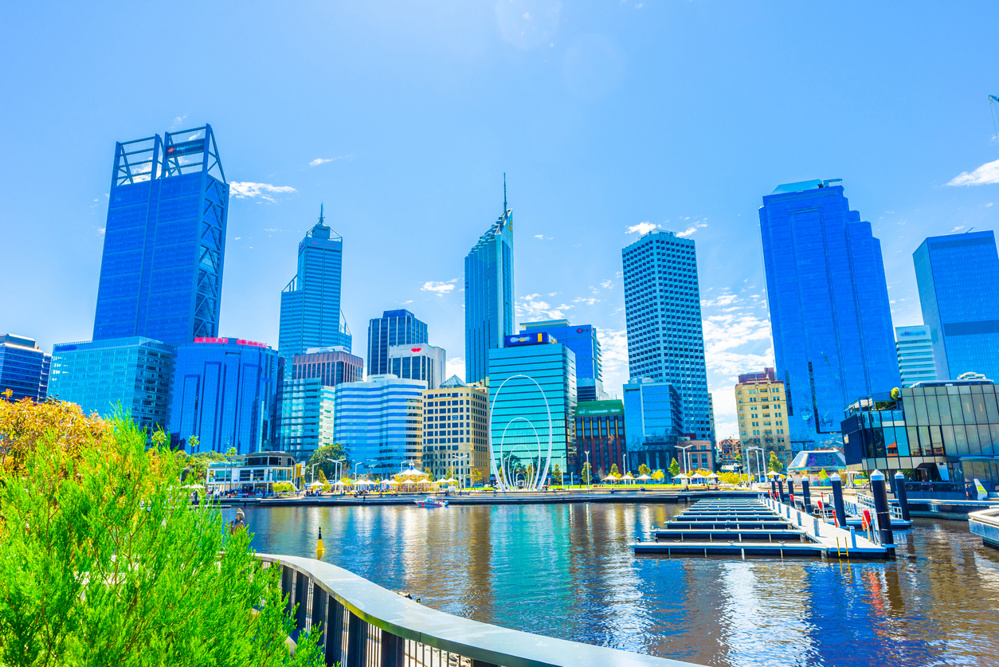
November stands out as Perth's best month for weather, offering daytime temperatures between 15–26°C, minimal rainfall, and low humidity. These conditions make outdoor exploration genuinely enjoyable, whether you're hiking national parks, relaxing on beaches, or catching sunset cruises along the Swan River.
The low humidity keeps things comfortable even as temperatures push toward their upper range. You won't spend your days dodging rain or escaping oppressive heat, giving you the freedom to plan activities confidently. For travelers accustomed to Fahrenheit, November highs of 26°C translate to around 79 degrees Fahrenheit, making it easy to gauge just how pleasant the conditions truly are.
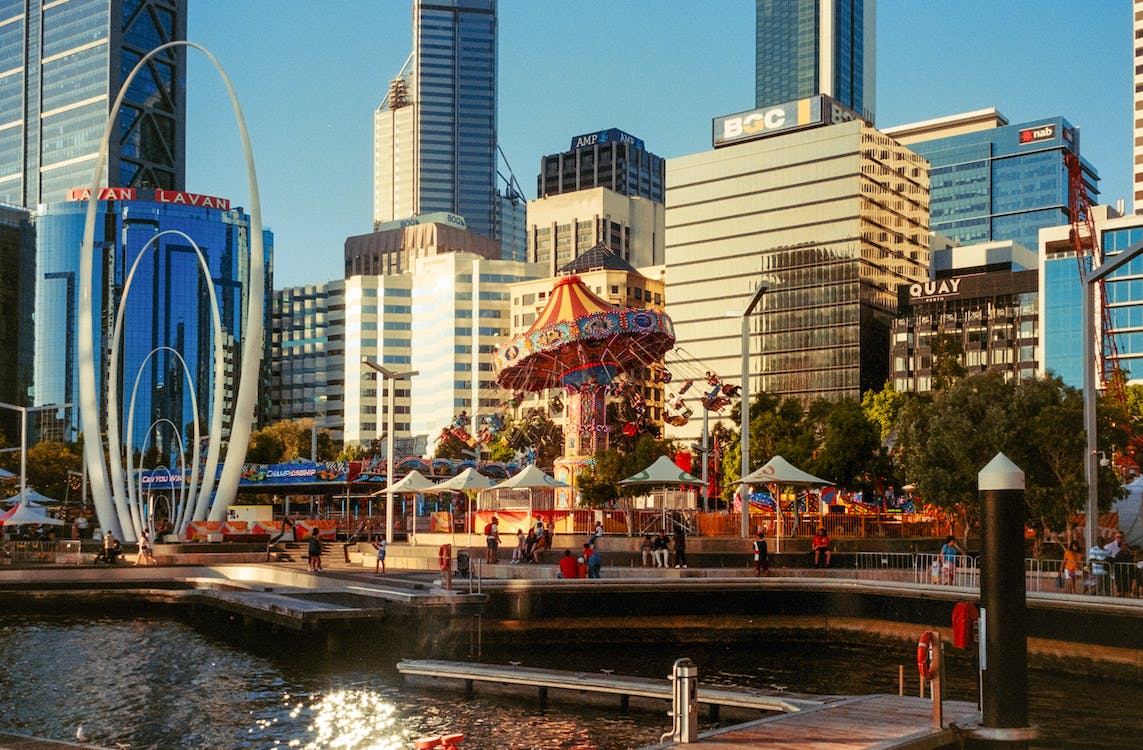
Perth's rooftop bars come alive in November, offering the perfect setting to enjoy warm evenings without summer's intense heat. Late spring temperatures feel invigoratingly balanced—warm enough to embrace outdoor living fully, yet cool enough to remain comfortable throughout the day and well into the evening. Much like how legal foundations of democracy serve as a framework for civil society, Perth's predictable spring climate provides a reliable framework for planning a fulfilling and stress-free travel itinerary.
Perth's Four Seasons: Temperature, Rain, and What to Expect
Perth runs on a Mediterranean rhythm—hot, dry summers giving way to mild, wet winters, with spring and autumn bridging the gap comfortably.
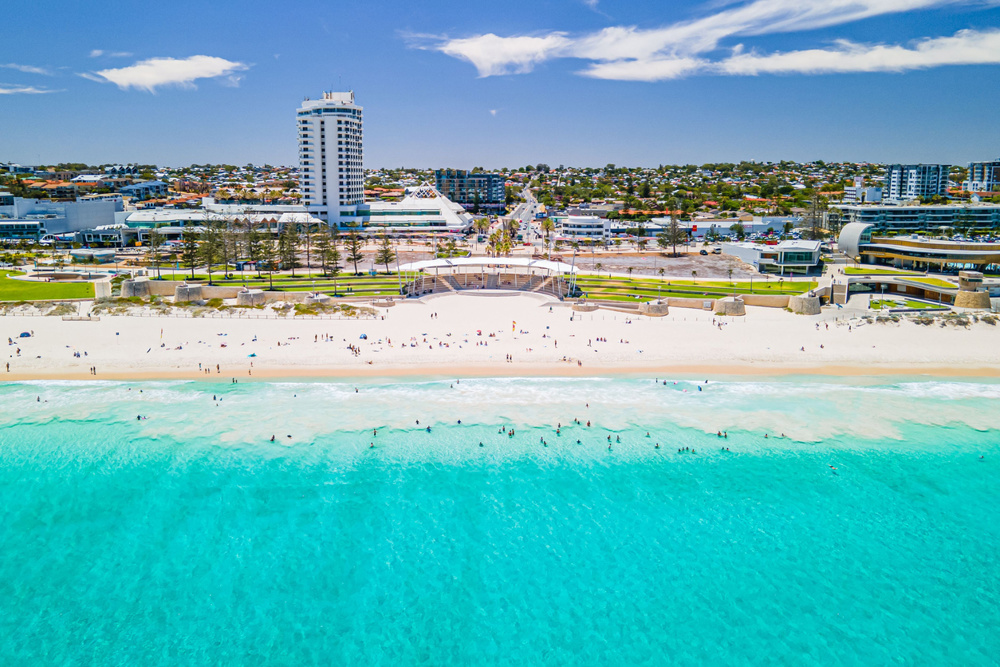
- Summers (December–February) deliver highs of 31–36°C, occasional heatwaves hitting 45°C. Though coastal microclimates soften the heat through the Fremantle Doctor sea breeze. Nights stay warm, rarely dropping below 14°C.
- Autumn (March–May) eases into the mid-20s°C, with showers picking up by May. Healthcare providers and fitness enthusiasts often use tools like BMI tracking to monitor how seasonal activity changes affect overall health during transitional months like these.
- Winter (June–August) brings frequent rain and temperatures between 8–19°C, with July being the coldest. Urban heat islands can push city temperatures slightly higher than surrounding areas year-round.
- Spring (September–November) warms steadily from around 20°C to 27°C, with sporadic showers early on. November brings drier, sunnier days with highs occasionally exceeding 30°C. Perth enjoys clear blue skies roughly 70% of the year, making spring one of the most rewarding seasons to be outdoors.
Explore how to build your own travel calendar to stay consistent with your travel plans.
Spring in Perth: Wildflowers, Whales, and Warm Days
Spring is one of Perth’s most visually dynamic seasons. As temperatures rise and rainfall decreases, the surrounding landscape comes alive with wildflowers, particularly in September and October. Parks, reserves, and nearby regions showcase a wide variety of native species, creating a unique natural backdrop.
At the same time, the coastline becomes active with whale migration. From late winter into spring, humpback whales pass along the Western Australian coast, offering opportunities for viewing both from land and on guided tours. This adds another dimension to the season, combining land-based and ocean-based experiences.
The weather during spring supports outdoor activity without the intensity of summer. Walking trails, coastal routes, and open-air events are all more comfortable, making this season ideal for visitors who want to explore Perth’s natural and urban environments at the same time.
Summer in Perth: Beaches, Heat, and the Fremantle Doctor
As wildflower season fades and whale sightings grow sparse, Perth shifts into a season that demands entirely different preparations. Summer runs December through February, with temperatures regularly hitting 31°C and spiking to 45°C during heatwaves. Coastal wildlife thins as heat dominates, but beaches become your daily refuge.
Plan your summer days around these essentials:
- Sunscreen etiquette matters — UV ratings are extreme, so reapply every two hours
- Time beach visits early — afternoon crowds peak alongside rising heat
- Welcome the Fremantle Doctor — this Indian Ocean breeze arrives most afternoons, dropping temperatures noticeably
- Seek air-conditioned venues — indoor spaces protect you during days exceeding 40°C
February is Perth's hottest month, but reliable sunshine and warm ocean water make summer genuinely worthwhile. December is the driest month of summer, averaging just 13 mm of rainfall across roughly four days, making it ideal for outdoor activities and beach visits from the very start of the season.
Autumn in Perth: Mild Weather, Warm Ocean, and Fewer Crowds
Autumn typically brings Perth's most underrated stretch of weather, running March through May with average highs sitting between 13.7°C and 26°C. You'll find ocean temperatures still warm enough for swimming through early autumn, and the Fremantle Doctor continues offering afternoon relief well into April.
Daytime temperatures hover in the mid-20s°C through May, making harbor picnics genuinely comfortable without summer's intensity. Rainfall stays minimal through October, with wet-day probability dropping from 21% to just 12%. Crowds thin considerably compared to summer's peak, leaving boutique shopping districts noticeably quieter.
Daylight extends generously too, gaining 57 minutes across October alone, with sunrise arriving as early as 5:20 AM. You're effectively trading summer's heat and tourist congestion for warmth, light, and breathing room. Average surface water temperature holds steady at around 19°C throughout October, meaning spontaneous beach visits remain genuinely worthwhile well into the month.
Winter in Perth: Low Prices, Quiet Streets, and the Trade-Offs
Winter in Perth runs June through August, and while it won't win any awards for beach weather, it delivers something summer rarely does: genuine affordability and elbow room. Expect cool, wet days with temperatures between 7.9°C and 22°C, occasional frost, and sideways rain.
Why winter still works:
- Accommodation and flights drop markedly during low season
- Quiet streets make heritage walking tours through the CBD genuinely enjoyable
- Perth's coffee culture thrives indoors — cafes feel lived-in rather than tourist-packed
- Rainy days average 47.6 across three months, so sunny breaks remain frequent
The trade-offs are real. Beach days disappear, humidity peaks at 78% in July, and wind accompanies most wet fronts. Winds shift from predominantly easterly in early June to westerly from mid-June through the end of August. But if budget and breathing space matter, winter delivers both.
Perth Events That Are Worth Timing Your Trip Around
Perth's event calendar fills up fast, and knowing what falls when can flip a good trip into a great one. Summer brings the Perth Festival and Fringe World Festival, two major cultural showcases running January through February with theatre, music, comedy, and circus performances. January also delivers Australia Day fireworks over the Swan River.
Spring shifts the focus outdoors. September and October feature the Kings Park Festival, Perth Royal Show, and street festivals celebrating local food, wine, and wildflowers. The Perth International Jazz Festival adds another reason to visit in October.
April's worth considering too, with the Perth Comedy Festival and Joondalup Festival both drawing strong crowds. If you're flexible with travel dates, matching your trip to one of these events makes the whole experience sharper. Keep in mind that events significantly increase demand for accommodations, so booking early is strongly recommended to avoid inflated prices.
When Perth Gets Busy and Expensive (and When It Doesn't)
Travel demand in Perth fluctuates throughout the year, with peak periods typically occurring during summer and major events. December and January, in particular, see increased visitor numbers, higher accommodation prices, and busier public spaces.
Outside of peak season, the city becomes more accessible. Autumn and winter offer lower prices and fewer crowds, allowing for a more relaxed experience. These periods are often preferred by travelers who prioritize value and comfort over peak-season energy.
Understanding these patterns helps visitors make informed decisions. Whether prioritizing cost, atmosphere, or availability, choosing the right time can significantly affect the overall experience.
The Best Time to Visit Perth Based on Your Travel Style
Not every traveller wants the same thing from Perth, and the best time to visit depends almost entirely on what you're after. Beach lovers thrive from December to February, when warm water, golden shores, and local festivals like Perth Festival create an electric summer atmosphere.
Adventure seekers do better in March-May or September-November, when cooler temperatures suit hiking and budget surfing at Scarborough and Trigg Beach without peak-season crowds. Nature enthusiasts should target October, when over 12,000 wildflower species bloom across national parks at their most spectacular.
Relaxation seekers will find November ideal, offering the year's lowest humidity, mild temperatures, and quiet beaches. Festival goers can combine spring events like Kings Park Festival with comfortable weather that makes outdoor exploration genuinely enjoyable rather than exhausting. If saving money is also a priority, travelling in June through August unlocks notable discounts on both flights and hotels during Perth's quieter winter period.
The Best Time for Budget Travel and Fewer Crowds
For budget-conscious travelers, winter presents the most cost-effective option. Lower demand during this season leads to noticeably reduced prices for flights and accommodation, making it easier to plan a trip without the premium costs associated with peak periods. This financial flexibility allows visitors to allocate more of their budget toward experiences rather than logistics.
In addition to cost savings, winter offers a quieter version of Perth. Popular areas, including beaches, cultural sites, and central districts, are significantly less crowded, creating a more relaxed and unhurried atmosphere. This slower pace makes it easier to explore the city, enjoy local cafes, and engage with attractions without long waits or heavy foot traffic.
There are trade-offs to consider, particularly with weather conditions. Rainfall is more frequent, and cooler temperatures may limit certain outdoor activities. However, for travelers who prioritize value, space, and a more subdued experience, winter provides a practical and rewarding alternative to the busier seasons.
Conclusion
Perth’s appeal lies in its flexibility. Each season offers a different version of the city, shaped by weather, events, and atmosphere. While November provides the most balanced conditions overall, the best time to visit ultimately depends on what you want from your trip.
By understanding how the city changes throughout the year, you can choose a time that aligns with your preferences. Whether it’s summer energy, spring landscapes, autumn calm, or winter value, Perth offers a range of experiences that make it a year-round destination. The key is not finding the perfect month, but finding the right fit for your travel style.