Austin’s Growth and What New Residents Can Expect
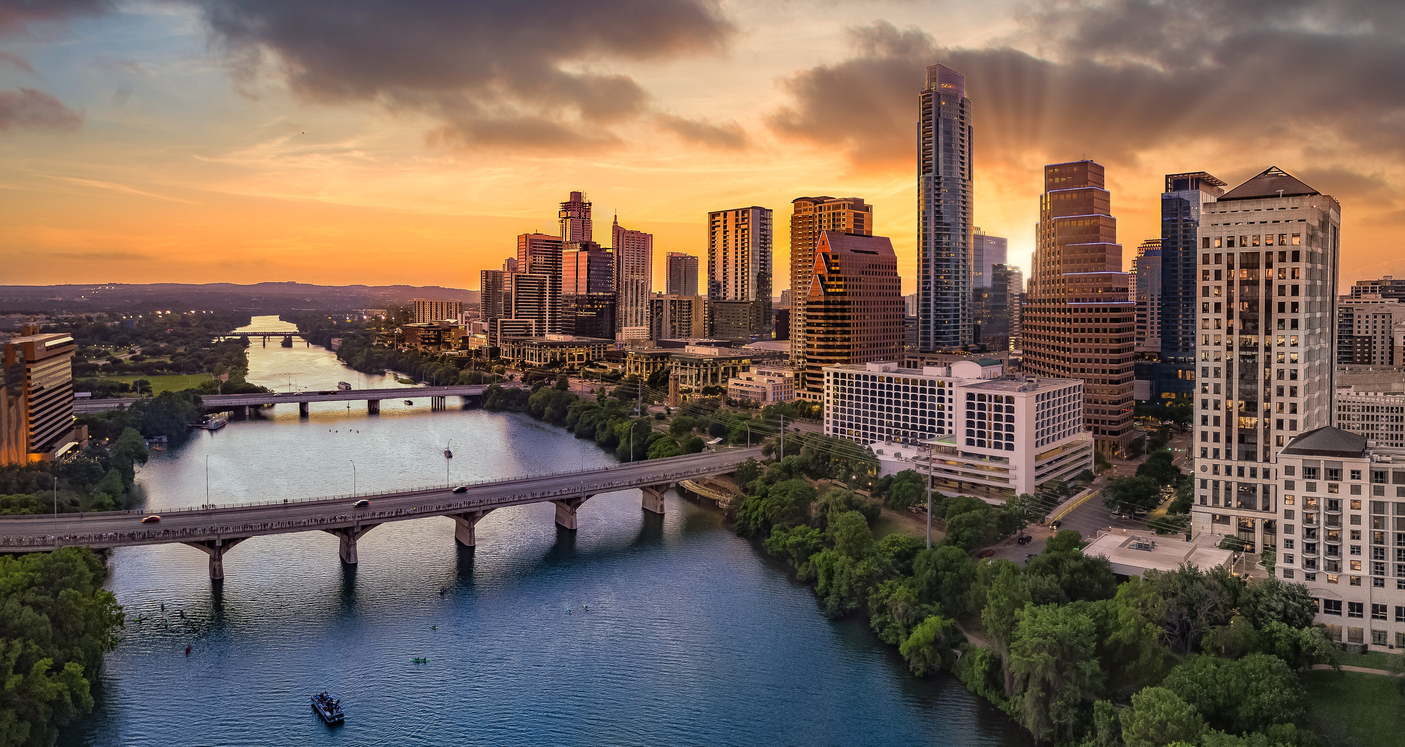
Austin’s rapid growth has begun to moderate after more than a decade of expansion, and newcomers arriving in 2025 will encounter a city adjusting to shifting housing, economic, and demographic trends. While the rental market has softened—often with concessions offered by newer apartment communities—home prices remain relatively high, and affordability continues to shape where people choose to live. Understanding these dynamics helps you navigate Austin’s evolving neighborhoods and plan your move with realistic expectations.
Why Austin's Population Boom Is Slowing Down
View this post on Instagram
After years of fast growth, Austin’s population increase has cooled compared to its peak in the 2010s. Several factors contribute to this shift. Rising housing costs have reduced the pace of domestic migration, especially among middle-income households. At the same time, pandemic-era relocation trends have stabilized, and fewer newcomers are arriving at the same pace seen between 2020 and 2022. Growth has not stopped—it has simply spread outward. Surrounding areas such as Williamson County (Round Rock, Georgetown) and Hays County (Kyle, Buda) continue to grow quickly as people look for more attainable housing options outside the urban core. Many newcomers begin their search by researching Austin’s competitive housing landscape, where demand, pricing, and neighborhood growth patterns can vary significantly across the metro.
How Rising Home Prices Have Reshaped Who Lives in Austin
View this post on Instagram
Housing affordability remains one of the most significant forces shaping Austin today. Median home prices in the Austin metro area have hovered in the $450,000–$550,000 range in recent years, depending on market conditions. As prices climbed, many long-time residents—particularly lower- and middle-income households—relocated to nearby communities where housing is more accessible. East Austin and other historically working-class neighborhoods have experienced significant redevelopment and rising property values, changing the character and cost of living in those areas. This shift has created a more competitive housing market while also increasing demand in suburban cities across Central Texas.
Who Is Moving to Austin Today
New residents still arrive from across the country, but migration patterns have become more balanced. Austin continues to attract professionals from California, Colorado, Florida, and other Texas metros, drawn by job opportunities, lifestyle, and the absence of state income tax. Rather than being dominated by a single income group, newcomers now represent a mix of young professionals, remote workers, families, and entrepreneurs. The city’s strong job market in tech, healthcare, and professional services continues to drive relocation decisions.
Where Residents Are Relocating Within the Region
As affordability challenges persist, many residents are choosing to stay within the Austin metro while relocating to surrounding areas. Popular destinations include:
- Round Rock and Pflugerville for proximity to major employers
- Georgetown for master-planned communities and new construction
- Kyle and Buda for more affordable housing options with access to I-35
- Leander and Cedar Park for suburban growth near tech corridors
These areas offer more space, newer homes, and community amenities while maintaining access to Austin’s job centers.
Why Austin Rents Have Softened Recently
After sharp increases in the early 2020s, Austin’s rental market has stabilized and, in some cases, declined slightly due to a surge in new apartment construction. Thousands of new units delivered across the metro have increased supply, creating a more tenant-friendly environment. Many apartment communities now offer incentives such as:
- Free weeks of rent
- Reduced deposits
- Flexible lease terms
While prices vary widely by neighborhood, renters today have more negotiating power than they did just a few years ago.
Income Growth and Cost of Living in Austin
Austin’s median household income has increased in recent years, supported by growth in high-paying industries such as technology and healthcare. However, cost-of-living increases—especially housing—have offset many of these gains. This means newcomers with higher incomes may find Austin more accessible than long-time residents whose wages have not kept pace with rising costs. Budget planning remains essential, particularly when factoring in housing, transportation, and property taxes.
How Austin Compares to Other Texas Cities
Austin remains one of the more expensive cities in Texas, particularly when compared to Houston, San Antonio, and El Paso. Housing costs in Austin are generally higher than in San Antonio and Houston, where home prices and rents tend to be more accessible. However, Austin’s prices are often comparable to or slightly below Dallas–Fort Worth in certain neighborhoods. Everyday expenses such as groceries, utilities, and healthcare remain relatively consistent across major Texas metros, but housing and property taxes are the biggest differentiators. For newcomers, this means balancing Austin’s strong job market and lifestyle appeal against a higher cost of entry compared to other parts of the state.
Where Jobs Are Growing in the Austin Metro
View this post on Instagram
Austin remains one of the strongest job markets in Texas, with growth concentrated in several key sectors:
- Technology: Software development, AI, cybersecurity, and cloud computing
- Healthcare: Hospitals, outpatient care, and mental health services
- Education and government: Public sector and university-related roles
- Professional services: Finance, legal, and consulting industries
- Logistics and construction: Supporting regional expansion
Major employment hubs include The Domain/North Burnet area, Downtown Austin, East Austin, and emerging suburban corridors.
Transportation in Austin: What to Expect
Austin is a car-dependent city, and traffic congestion is one of the most common challenges for new residents. Major corridors like I-35, MoPac (Loop 1), and SH-71 experience heavy congestion during peak hours, particularly north–south routes through the city. Commutes can vary significantly depending on time of day and distance. Public transportation is available through CapMetro buses and the MetroRail Red Line, which connects Downtown Austin to North Austin and Leander. While helpful for some commuters, coverage remains limited compared to larger transit systems. Rideshares, electric scooters, and biking are popular for short distances, especially in central neighborhoods. Planning your commute—and choosing housing accordingly—can make a significant difference in daily quality of life.
Suburban Living vs. Austin City Living
For many newcomers, suburban communities offer a more attainable path to homeownership. Cities like Round Rock, Georgetown, and Kyle provide newer homes, larger lots, and access to amenities such as parks, pools, and schools. Urban living in Austin still appeals to those who prioritize walkability, nightlife, and proximity to downtown jobs, but it often comes at a higher cost. Choosing between city and suburban living depends on your lifestyle, commute preferences, and budget.
Lifestyle in Austin: Culture, Weather, and Daily Pace
Austin offers a lifestyle that blends urban energy with outdoor living. The city is known for its live music scene, food culture, and access to parks and waterways, creating a strong emphasis on recreation and social experiences. The climate plays a major role in daily life. Summers are hot and often exceed 95°F, while spring and fall provide the most comfortable weather for outdoor activities. Mild winters allow for year-round exploration. The pace of life can vary by neighborhood. Downtown and central areas move quickly, while suburban communities offer a quieter, more relaxed environment. Overall, Austin maintains a casual, creative, and community-driven atmosphere that continues to attract new residents.
Long-Term Growth and Housing Outlook
Austin’s long-term outlook remains strong, with continued job growth expected across the metro. Regional planning efforts anticipate hundreds of thousands of new jobs and residents by 2040, placing ongoing pressure on housing supply. This means housing availability and affordability will remain key considerations for anyone moving to the area. Development is increasingly focused on mixed-use districts and suburban expansion, helping distribute growth more evenly across the region.
Finding Affordable Neighborhoods Near Job Centers
If you’re looking to balance cost and convenience, several neighborhoods and nearby cities offer strong value relative to job access.
- North Austin (Windsor Hills, North Lamar): More affordable housing near tech employers
- Mueller: Walkable, mixed-use community with access to downtown and major roads
- South Austin (South Lamar, Menchaca): Popular for lifestyle and dining with varied rental options
- Pflugerville and Round Rock: Lower housing costs with access to major highways and employers
Commute times, transportation access, and future development plans are all worth considering when choosing where to live.
Neighborhood Breakdown: Where to Live in Austin
Austin’s neighborhoods vary widely in lifestyle, cost, and accessibility, making it important to choose an area that aligns with your priorities. Downtown Austin offers high-rise living, walkability, and immediate access to major employers, restaurants, and nightlife. It’s ideal for professionals who want to live close to work and entertainment, though housing costs are among the highest in the region. East Austin blends historic character with rapid redevelopment. The area features local restaurants, art spaces, and cultural landmarks, but rising home values and new construction have significantly changed its affordability in recent years. North Austin—including areas near The Domain, North Burnet, and Tech Ridge—has become a major employment hub. Residents benefit from proximity to tech campuses, newer apartments, and easier highway access. South Austin offers a balance of residential neighborhoods, local businesses, and outdoor access. Areas like South Lamar and Menchaca remain popular for their dining and laid-back atmosphere. Suburban communities such as Round Rock, Georgetown, Pflugerville, Kyle, and Buda provide more space, newer homes, and family-oriented amenities. These areas are often more affordable but typically require commuting into Austin for work.
Moving to Austin: What to Do Before and After You Arrive
Planning ahead can make your transition to Austin much smoother. Key steps include:
- Set up utilities: Electricity (Austin Energy or local providers), water, internet, and trash services
- Register your vehicle in Texas within 30 days and update your driver’s license
- Plan your move-in timing: Summer is busiest and most expensive; fall and winter often offer better rates
- Research commuting routes before choosing housing
- Explore local services such as healthcare providers, schools, and grocery options
Taking care of these essentials early helps you settle in quickly and avoid unnecessary delays.