Settling in San Antonio: Culture, History, and Life as a Newcomer
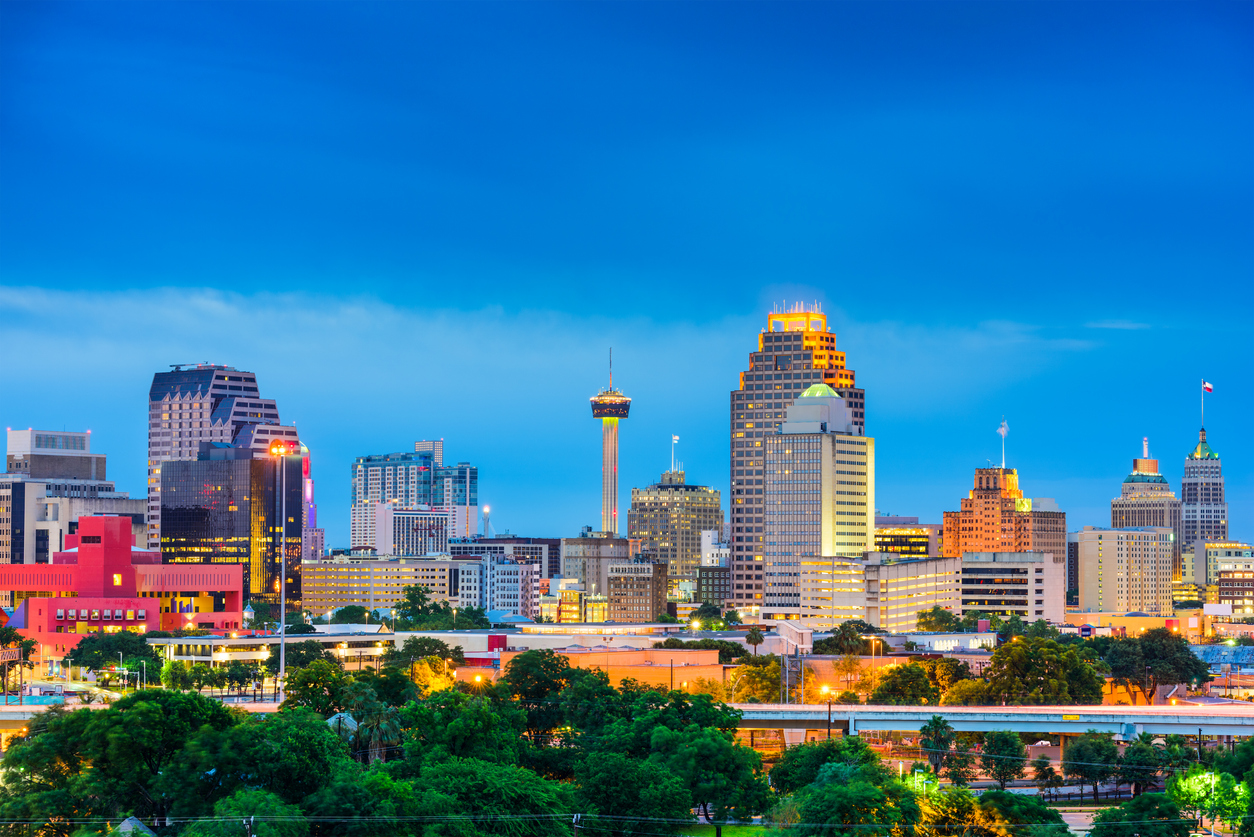
You’ll be joining a growing number of newcomers drawn to San Antonio’s affordability, cultural depth, and steady job growth. While exact daily migration figures vary by year, the city has consistently ranked among the fastest-growing large metros in the United States. With centuries of history, a vibrant cultural identity, and a lower cost of living compared to Austin or Dallas, San Antonio offers a balance of tradition and opportunity that appeals to families, young professionals, and retirees alike.
Why San Antonio Continues to Attract New Residents
View this post on Instagram
San Antonio’s growth is driven by a combination of economic opportunity, affordability, and quality of life. Recent estimates show steady population increases, with thousands of new residents added annually. The city benefits from a lower cost of living than many major Texas metros, making homeownership and everyday expenses more attainable. Job growth remains strong across sectors like healthcare, military, finance, and technology, supported by major employers such as USAA, H-E-B, and Joint Base San Antonio. Remote work has also made the city more attractive, allowing professionals to relocate while mainsantaining careers elsewhere. With a relatively young median age and continued development, San Antonio offers a dynamic environment for newcomers.
From Spanish Missions to the Alamo: San Antonio’s Living History
View this post on Instagram
San Antonio’s identity is rooted in more than 300 years of continuous history. In 1718, Spanish settlers established missions along the San Antonio River, forming communities that would shape the region’s cultural and architectural identity. Today, four of these—Mission Concepción, San José, San Juan, and Espada—are preserved within San Antonio Missions National Historical Park, a UNESCO World Heritage Site. The most famous site, the Alamo (Mission San Antonio de Valero), played a pivotal role in Texas history during the 1836 battle for independence. The preservation of these landmarks reflects the city’s commitment to honoring its past while continuing to evolve.
What San Antonio’s Sunshine Means for Daily Life
San Antonio enjoys a warm, sunny climate with long summers and mild winters. You can expect hot summers often exceeding 90°F, while winters remain relatively mild, typically ranging from the 50s to 70s. This climate supports year-round outdoor activities, from festivals to dining and recreation. Spring and fall offer the most comfortable weather, making them ideal for exploring neighborhoods, parks, and cultural events. While the sunshine is a major benefit, newcomers should also prepare for heat and humidity, especially during peak summer months.
Safety and Climate Considerations for New Residents
San Antonio’s climate and geography require some adjustment, especially for newcomers.
- Heat preparedness: Summers can be intense, with temperatures often exceeding 90°F. Staying hydrated, limiting midday outdoor activity, and using sun protection are essential.
- Seasonal flooding: Heavy rain can lead to flash flooding, particularly in low-water crossings and creek areas. Always avoid driving or walking through flooded roads.
- General safety: Most neighborhoods are safe, but like any large city, it’s important to stay aware of your surroundings and secure your belongings
Understanding these conditions helps you adapt more quickly to daily life in South Texas.
Tejano Music, Fiesta, and River Walk Culture
View this post on Instagram
San Antonio’s culture blends Mexican, Spanish, German, and Texan influences, creating a distinctive identity. The city celebrates its heritage through events like Fiesta San Antonio, an annual multi-day festival featuring parades, music, and food. Tejano and conjunto music remain central to local culture, with festivals such as the Tejano Conjunto Festival en San Antonio highlighting the genre’s roots. The San Antonio River Walk serves as a cultural and social hub, lined with restaurants, shops, and public art. It’s one of the most recognizable features of the city and a focal point for both residents and visitors.
Where San Antonio Newcomers Choose to Live
San Antonio’s neighborhoods offer a wide range of lifestyles and price points.
- Stone Oak (North Side): Popular with families for its newer developments and access to top-rated schools
- Downtown / River Walk / Tobin Hill: Ideal for young professionals seeking walkability and nightlife
- The Dominion: A luxury community known for upscale homes and golf amenities
- Monte Vista: Historic district featuring early 20th-century architecture
- Alamo Ranch: A growing suburban area with relatively affordable housing options
- Helotes and Far West Side: Quieter areas with suburban appeal and Hill Country proximity
The Pearl District has become a hotspot for dining, events, and modern living, blending historic redevelopment with contemporary urban design.
Urban vs. Suburban Living in San Antonio
San Antonio offers a mix of urban energy and suburban comfort, giving newcomers flexibility based on lifestyle preferences. Urban Living (Downtown, Pearl, Tobin Hill) You’ll enjoy walkability, access to restaurants, nightlife, and cultural events. Apartments and condos are common, and daily conveniences are often within walking distance. Suburban Living (Stone Oak, Alamo Ranch, Helotes) Suburban areas offer larger homes, quieter neighborhoods, and access to newer developments. These areas are ideal for families seeking space and proximity to schools, though they typically require driving for most errands. Choosing between the two depends on whether you prioritize convenience and activity or space and tranquility.
Urban vs. Suburban Living in San Antonio
San Antonio offers a mix of urban energy and suburban comfort, giving newcomers flexibility based on lifestyle preferences. Urban Living (Downtown, Pearl, Tobin Hill) You’ll enjoy walkability, access to restaurants, nightlife, and cultural events. Apartments and condos are common, and daily conveniences are often within walking distance. Suburban Living (Stone Oak, Alamo Ranch, Helotes) Suburban areas offer larger homes, quieter neighborhoods, and access to newer developments. These areas are ideal for families seeking space and proximity to schools, though they typically require driving for most errands. Choosing between the two depends on whether you prioritize convenience and activity or space and tranquility.
San Antonio’s Food Scene: Breakfast Tacos to BBQ
View this post on Instagram
San Antonio is a UNESCO Creative City of Gastronomy, recognized in 2017 for its culinary heritage. You’ll find a mix of Tex-Mex staples, traditional Mexican cuisine, German influences, and modern dining. Local favorites include:
- Mi Tierra Café y Panadería (est. 1941) in Market Square
- Schilo’s (est. 1917), known for German-Texan dishes
- La Gloria at the Pearl, offering street-style Mexican food
- Cured, featuring locally sourced charcuterie
From breakfast tacos to award-recognized restaurants, the food scene reflects the city’s diverse cultural influences.
What Your Budget Buys: Housing and Daily Costs
San Antonio remains one of the more affordable large cities in Texas.
- Housing costs are generally below the national average
- Median home prices typically fall in the mid-$300,000 range (varying by neighborhood and market conditions)
- Rental prices range widely depending on location and amenities
Daily expenses—including groceries, transportation, and utilities—tend to be more manageable than in Austin or Dallas, making the city attractive for both individuals and families.
Moving Tips for Newcomers: Utilities, Schools, and Getting Settled
Relocating to San Antonio becomes much easier when you plan essential services ahead of time.
- Utilities: Most residents set up electricity through providers like CPS Energy (city-owned utility) and water services through SAWS (San Antonio Water System). Internet providers vary by neighborhood, so check availability before signing a lease.
- Schools: The city is served by multiple districts, including North East ISD, Northside ISD, and Alamo Heights ISD, each offering different academic programs and ratings.
- Driver’s license and registration: Texas requires new residents to update their driver’s license and vehicle registration within a set timeframe after moving.
- Healthcare and services: San Antonio has a strong healthcare network, so identifying nearby providers early helps ease the transition
Planning these basics before arrival helps you settle in quickly and avoid delays during your first weeks.
Major Employers and Growing Industries
San Antonio’s economy is supported by several key industries:
- Military and Defense: Joint Base San Antonio is one of the largest military installations in the country
- Healthcare and Bioscience: Major systems include Methodist and Baptist Health
- Finance and Insurance: USAA and major banking institutions maintain strong local presence
- Technology and Cybersecurity: Growing sector with companies like Rackspace
The city continues to attract investment in innovation, logistics, and advanced manufacturing, contributing to steady job growth.
How to Get Around: Driving, VIA Transit, and City Layout
San Antonio is a car-dependent city, with most residents relying on personal vehicles for daily travel.
- Major highways and loop systems connect different parts of the city
- VIA Metropolitan Transit operates bus routes across the metro area, including limited express services
- Downtown and the River Walk are walkable, but most outer neighborhoods require driving
Traffic is generally manageable compared to larger metros, though congestion increases during peak hours.